CIPD Festival Of Work — 10-11 June 2026, Excel London UK. Visit us at stand E71 (opposite the Social Cafe) to talk to us about your engagement challenges

Client: Major UK transport operator
Industry: Public Transport
Workforce: 18,000 frontline employees
When a CPO first joined a Major UK transport operator in 2021, the organisation operated as a traditional transport business focused heavily on assets, timetables, and top-down "command-and-control" management. Frontline employees were largely viewed as a "cost and a commodity". This reflected a broader trend where 85% of frontline workers do not believe their company's culture applies to them.
The management culture was highly punitive; the primary interactions managers had with drivers were disciplinary, and high performers were rarely acknowledged. The existing performance management system was a 14-page document focused on discipline and attendance, yet it was only completed for 10-11% of staff annually.
Furthermore, facilities for frontline staff were neglected, creating a stark divide between management and the frontline. For example, managers had access to free tea and coffee behind locked doors, while the drivers did not. Basic facilities for frontline workers had been heavily neglected; roofs had not been repaired and the toilets were leaking and in "poor nick"
Because drivers felt little affinity with the company, this disconnect directly threatened customer satisfaction. There are approximately 6,000 "moments of truth" (daily customer interactions) between driver and customer every year. With 14,000 drivers, that’s 80 million chances to make an impression every year.
The aim was to shift this major UK transport operator from an asset-driven business to a people-centric service business by implementing a comprehensive, bottom-up change programme based on listening and swift action.

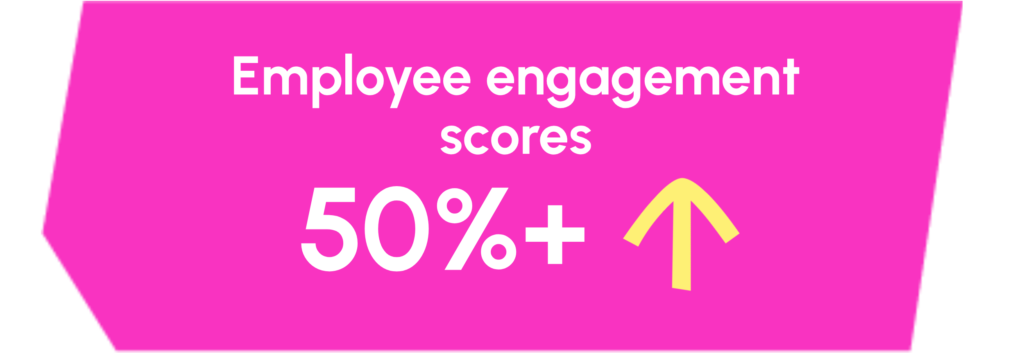

By proving to the frontline workforce that the company cared about their daily experience, our client achieved transformative operational and HR metrics over a four-year period:
Ultimately, this strategy proved that organisational culture is not just a top-down statement, but rather what employees experience on an ordinary Tuesday in the depot. Treating people well and granting them autonomy directly drives superior financial and operational performance.